The Medicalisation of Childbirth: The ...isation Syndrome Dr Robyn Thompson Named
The language Dr Robyn Thompson gave to what women and midwives had been feeling for decades.
Blog published: Sunday 2nd August 2026 | Author: Rachael Austin, RM, RN, IBCLC, TMBP
Download Dr Robyn's Research Summary White Paper
For decades, women have left birth and breastfeeding wondering why something felt wrong that they couldn't quite name — and midwives have felt the same system pulling them away from the women in their care. Dr Robyn Thompson spent more than sixty years studying this pattern before naming it: the ...isation Syndrome, her framework for understanding the medicalisation of childbirth and its ripple effects on birth trauma, midwifery and breastfeeding support today.
There are some ideas that belong to a single moment in time, and others that can only emerge after a lifetime of careful observation.
The ...isation Syndrome belongs to the latter.
It was never a theory developed in isolation. It was the culmination of more than sixty years of nursing, midwifery, maternal and child health, lactation consultancy, breastfeeding practice, research, teaching and advocacy. It was the language Dr Robyn Thompson eventually gave to something she had watched unfold across decades of caring for women and babies.
Those who knew Robyn understood that she was never interested in creating controversy for its own sake. She was curious. She asked questions that often began with a simple observation made while sitting beside a woman. Why had breastfeeding become so difficult for so many families? Why were healthy women increasingly doubting themselves? Why were experienced midwives feeling unable to practise the very profession they had entered with such passion? Why were practices introduced with the intention of improving care sometimes followed by consequences that no one seemed willing to discuss?
She rarely accepted easy answers. Instead, she watched, listened and continued asking questions.
What Women Were Telling Her
The answers did not come from one research project or one conference presentation. They came from thousands of women whose stories, although deeply personal, carried remarkably similar themes. Women spoke of entering pregnancy feeling healthy and capable, only to find themselves gradually surrendering confidence in their own bodies. They described labour becoming increasingly governed by clocks, protocols and procedures. Birth felt hurried, breastfeeding unexpectedly difficult, and the early weeks of motherhood overshadowed by self-doubt.
Most women never blamed the people caring for them. They spoke warmly of individual midwives, nurses, doctors and lactation consultants who had shown genuine kindness and compassion. Yet they often left with a lingering feeling that something had happened which they could not quite explain. They had followed advice. They had trusted the professionals around them. They had done everything they believed was expected of them. Still, many found themselves wondering why the beginning of motherhood felt so different from what they had imagined.
What Midwives Were Telling Her
As Robyn listened, another group of voices began telling a remarkably similar story.
Midwives spoke of wanting to spend more time with women, yet feeling increasingly constrained by the systems within which they practised. The philosophy that had first drawn many into midwifery - being 'with woman' - was becoming progressively more difficult to protect. Expanding documentation, institutional policies, technological surveillance, staffing pressures and time constraints often left little opportunity to simply sit quietly beside a woman, observe her progress and allow her unique physiology to unfold. Many midwives felt as though they had become custodians of procedures rather than guardians of normal birth.
Robyn did not see these as separate concerns. She believed women and midwives were describing different experiences of the same phenomenon.
Naming the Pattern: A "50 Year Creep"
It took many years before she found words that captured what she had been observing. When she eventually coined the phrase the "...isation Syndrome," she was not proposing a new philosophy of maternity care. She was offering a way of understanding how numerous changes, each appearing reasonable when viewed in isolation, had gradually accumulated over decades to reshape the experience of pregnancy, birth and breastfeeding for healthy women.
During one of her presentations, she described this as a "50 Year Creep."
The phrase was characteristically Robyn. It carried no accusation or dramatic flourish. Instead, it reflected her belief that profound change often occurs so gradually that few people notice it happening. Policies are introduced one by one. Technologies appear one generation at a time. Procedures become routine. Documentation increases. Language changes. Expectations shift. Each individual change seems small, yet together they alter the landscape so completely that it becomes difficult to remember what existed before.
This understanding became the foundation of the "...isation Syndrome."
The Many Layers of the ...isation Syndrome
Robyn began recognising different expressions of the same underlying pattern.
She spoke of medicalisation, where healthy physiological pregnancy, labour and birth increasingly came to be viewed through a medical lens. Throughout her career she worked alongside highly skilled medical colleagues and understood that timely intervention could be both necessary and lifesaving. Her concern lay elsewhere. She questioned what happens when interventions designed for pathology gradually become part of the routine care of healthy women whose pregnancies and births are progressing normally. She asked whether, in attempting to reduce every conceivable risk, maternity care sometimes introduced new consequences that deserved equal consideration (Thompson, 2009; Thompson et al., 2011; Thompson, 2020, 2021).
Her observations extended beyond medicine itself. She wrote and spoke about institutionalisation, recognising that the closure of smaller maternity services and the movement of birth into larger institutions had fundamentally changed the environment in which women experienced pregnancy and birth. Institutions necessarily require organisation, policies and systems. Yet Robyn questioned whether these structures sometimes served the institution more effectively than the woman herself, and whether the unique needs of individual women could always be accommodated within increasingly standardised models of care (Thompson et al., 2011; Thompson, 2020).
Closely related was what she described as systemisation and policyisation. Over many years she observed local policies gradually assuming the authority of law. Women frequently believed they had no genuine choices because routine practice had come to be presented as though it were mandatory. Robyn consistently returned to the principles of informed consent, reminding both women and health professionals that every intervention carried benefits, risks and alternatives, and that women retained the right to participate actively in decisions affecting their own care. Her concern was never with policies themselves, but with the possibility that policy might quietly replace individual clinical judgement and the woman's own informed decision-making (Thompson, 2009; Thompson, 2021).
Technology-isation formed another important part of the pattern she was observing. Throughout her career she witnessed remarkable advances in foetal monitoring, increasing ultrasound and digital surveillance. She appreciated the value these technologies could offer when used appropriately. At the same time, she questioned whether increasing reliance on machinery sometimes displaced equally valuable human skills — observation, listening, touch, patience and continuity. Technology, she believed, should support clinical judgement, never replace it (Thompson, 2020, 2021).
Midwifery-isation: When Midwives Become Technicians
It was while reflecting on these changes that Robyn introduced one of her most original contributions to contemporary maternity thinking. She called it midwifery-isation.
This was not a criticism of midwives. Robyn understood the profession from the inside and remained deeply proud of it throughout her life. For her, the meaning of midwife was never abstract. It meant being with woman: listening carefully, observing quietly, protecting normal physiology, sharing information with respect and recognising when the skills of another professional were genuinely required. She believed that relationship was central to safe, thoughtful maternity care.
Across the decades, however, she watched that role become increasingly difficult to protect. Midwives were expected to work within expanding systems of policy, documentation, technology and institutional accountability. Much of this had a legitimate purpose, yet together these demands changed the nature of the work. Time that might once have been spent with a woman was gradually redirected towards tasks that supported the organisation around her. The autonomous practitioner could become, in Robyn's words, a medical technical assistant, responsible for implementing procedures and maintaining systems that had increasingly come to shape the woman's experience of labour and birth (Thompson et al., 2011; Thompson, 2014; Thompson, 2020, 2021).

Robyn recognised that many midwives felt this loss keenly. They had not entered the profession to move women through predetermined pathways, yet they were often required to practise within environments where individualised care was difficult to sustain. In the ...isation model, women and midwives could both become "victims of the system." The woman might feel that decisions were being made around her, while the midwife might feel unable to offer the time, continuity and professional judgement she knew the woman needed. Robyn's use of the term midwifery-isation acknowledged that both could be caught within the same structure, although they experienced it from different positions.
She did not believe the answer lay in greater division between midwives and obstetricians. Her own career had included respectful professional relationships with medical colleagues, and she understood the importance of complementary expertise. Her concern was with professional dominance, particularly when the woman's knowledge, consent and individual circumstances became secondary to routine practice. She consistently argued for maternity care in which the woman remained involved in decision-making and each practitioner contributed according to their own skills and scope, without replacing the role of another (Thompson, 2009, 2014).
Lactation-isation: How Breastfeeding Support Lost Its Way
The same pattern became increasingly visible to Robyn in breastfeeding care. This had begun many years before The Thompson Method was named. During her private midwifery practice, she observed women and babies from pregnancy and birth through the early postnatal weeks. She was struck by the difference between women who gave birth at home, who rarely appeared to experience serious breastfeeding complications, and those referred to the Darebin In-Home Breastfeeding Programme following hospital discharge. Many of these women arrived in severe pain, with nipple trauma, engorgement, mastitis, diminished confidence and babies who were finding breastfeeding difficult (Thompson, 2014).
These experiences led her to ask why so many women were presenting with remarkably similar complications despite receiving professional support. Her questions began to take shape in the early 2000s through the Darebin database and her presentations on Neurological Breastfeeding. By 2005 and 2006 she was teaching about nipple damage, breast distortion, newborn neuro-sensory behaviour and the possible consequences of restrictive breastfeeding techniques. In 2007 she presented Breastfeeding Naturally — Mammalian, Neurological, Pain-Free Breastfeeding, followed by the published conference paper Neurological Breastfeeding in 2011. Across these presentations she was already developing the ideas that would later underpin her doctoral research and The Thompson Method (Thompson, 2005, 2006a, 2006b, 2007, 2011).
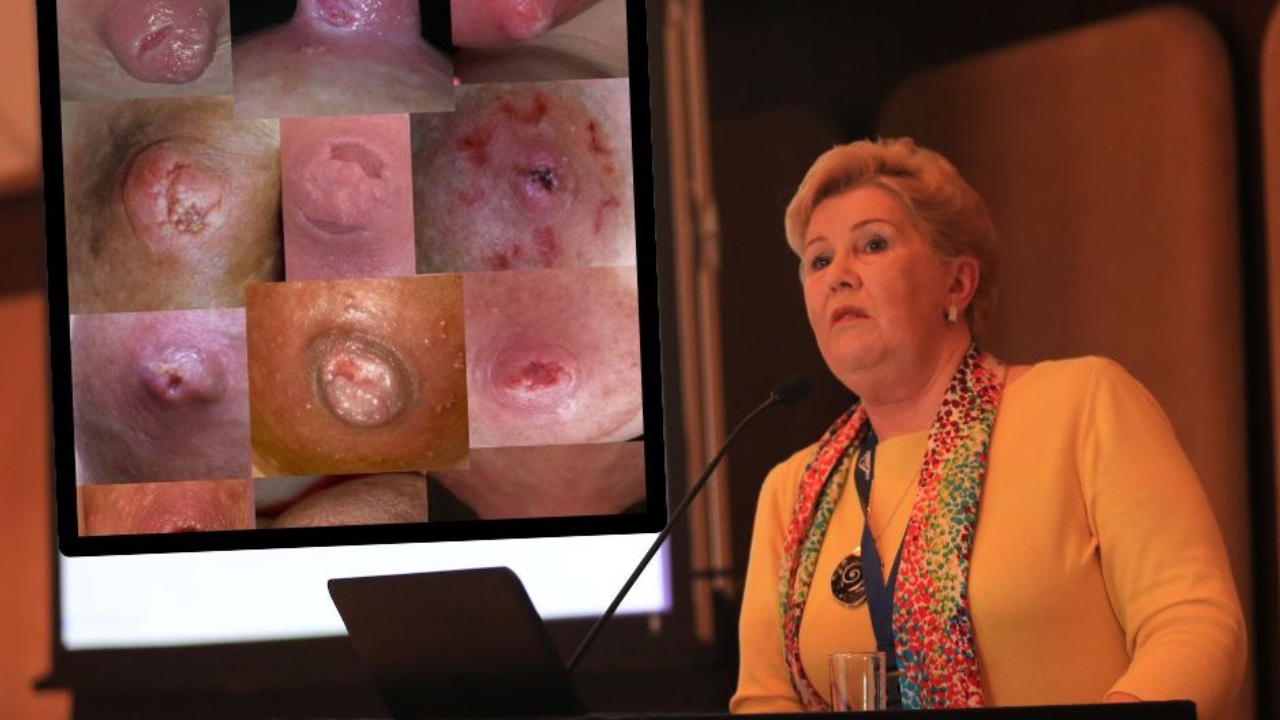
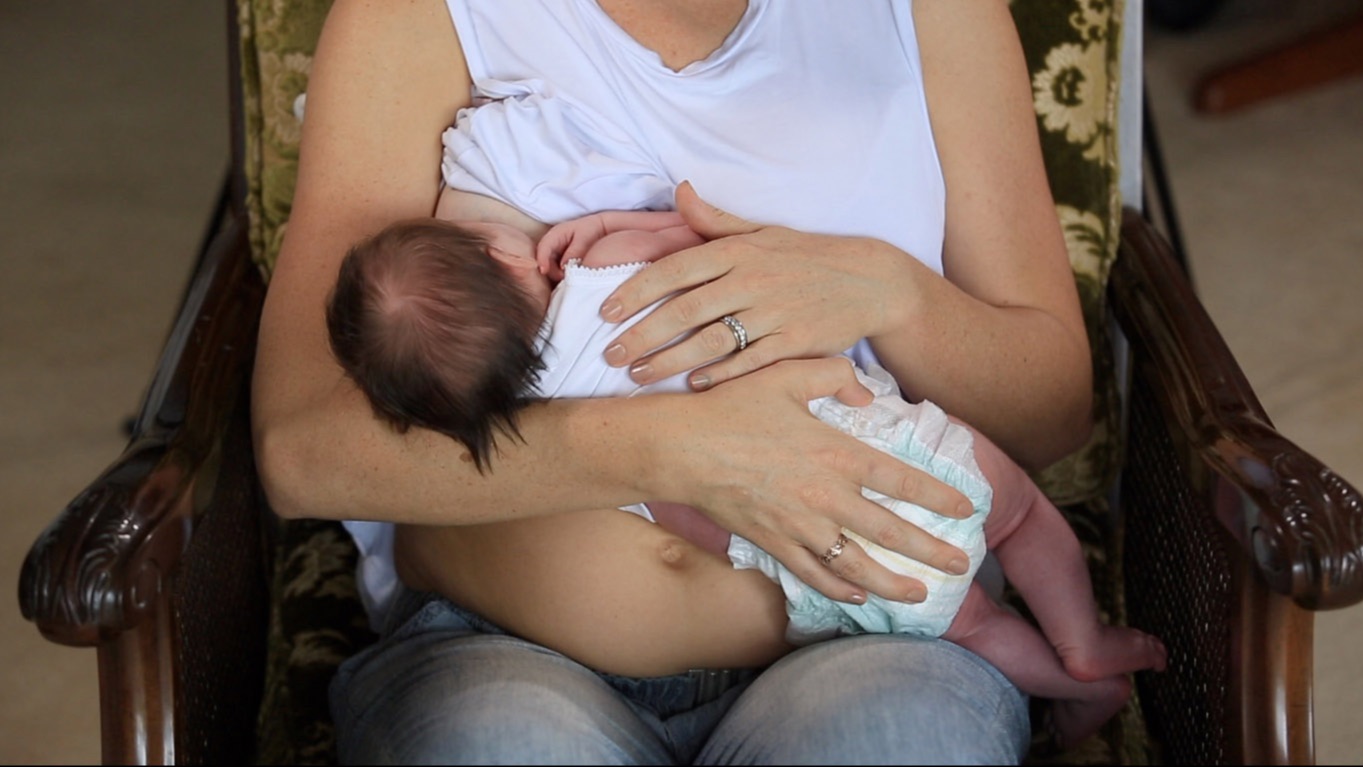
Her research examined 653 maternal–infant records from the Darebin programme. The analysis found that nipple trauma was associated with commonly taught practices, including the cross-cradle hold, nipple malalignment and asymmetrical face-to-breast contact. Robyn proposed that these techniques could restrict movement through the baby's cranio-cervical spine, influence intra-oral function and interfere with instinctive neuro-sensory mammalian behaviours. At the completion of a single in-home consultation, 92.5% of women reported that they had partially or fully achieved their goal of more comfortable breastfeeding despite existing nipple trauma (Thompson, 2014; Thompson et al., 2015; Thompson et al., 2016).
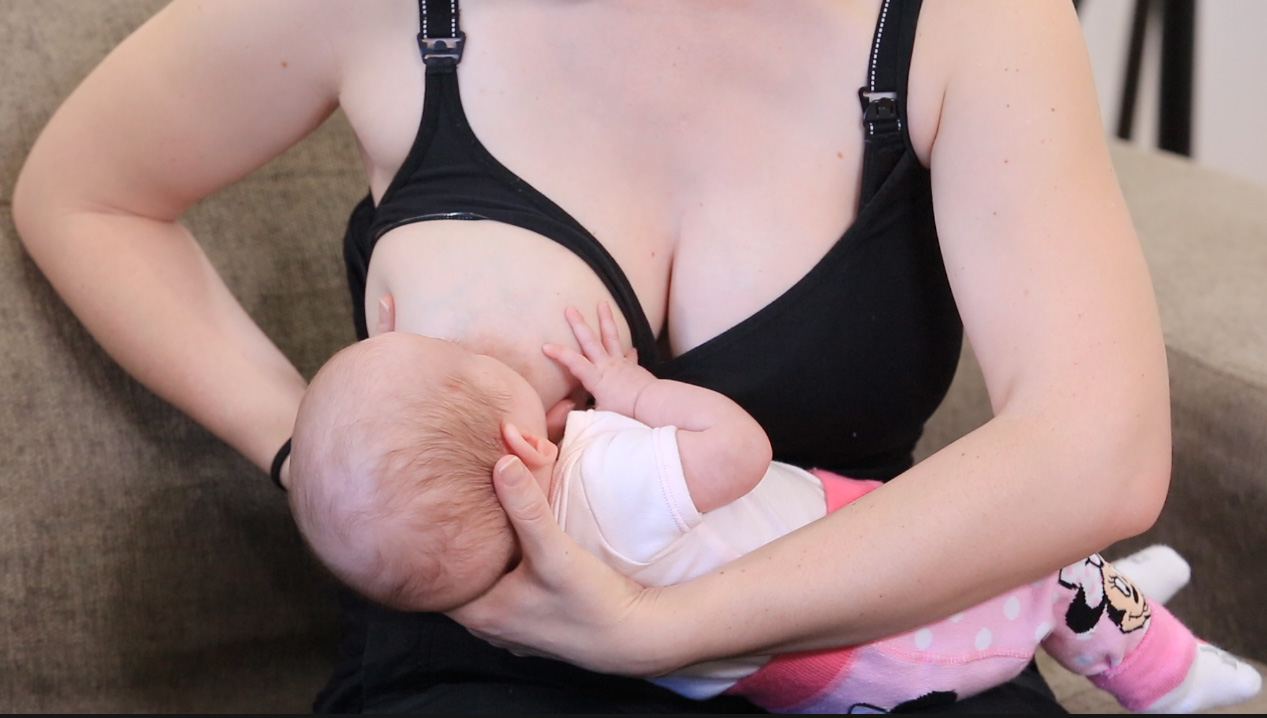
Photo: Example of the Cross-Cradle technique
This work led Robyn to describe another layer of the ...isation Syndrome: lactation-isation.
Breastfeeding support had become increasingly professionalised, yet breastfeeding rates remained poor and many women continued to experience pain and early cessation. Robyn questioned whether the desire to teach and correct had, at times, overtaken the need to observe. Women were commonly given positions, rules, schedules and calculated expectations. Their breasts might be reshaped and their babies moved quickly towards the nipple, while the woman's own sensations and the baby's individual behaviour received less attention. A unique relationship between mother and baby risked becoming reduced to a technique expected to work in much the same way for everyone (Thompson et al., 2011; Thompson, 2014).
Robyn believed women needed accurate information and experienced support, but that the purpose of professional care was to strengthen, rather than replace, maternal knowledge. Her approach was therefore deliberately gentle and observational. She sought first to understand what had occurred during pregnancy, labour, birth and the early postnatal period before considering what was happening at the breast. She observed the baby's facial contact, cranio-cervical movement, oral function and communication cues while listening carefully to the woman's experience, history and previous advice. Rather than imposing a standard position, she offered small, individual adjustments intended to restore symmetry and comfort while allowing each mother and baby to continue learning one another (Thompson, 2014; Thompson et al., 2016).
The principles that emerged from this work later became known as The Thompson Method. When implemented across a tertiary maternity hospital, research involving 13,667 mother–baby pairs found that the declining trend in direct breastfeeding at hospital discharge was significantly averted. Among women who left hospital exclusively breastfeeding, exposure to The Thompson Method also reduced the risk of discontinuing exclusive breastfeeding by three months (Allen et al., 2023). These findings provided further support for ideas Robyn had been refining through observation, clinical practice and research over many years.
The Three Golden Hours
The first hours after birth were particularly important in Robyn's understanding of the ...isation Syndrome. She viewed birth and breastfeeding as connected physiological transitions rather than separate clinical events. Induction, accelerated labour, operative birth, opioid medication, trauma and mother–baby separation could all influence a baby's early alertness and capacity to coordinate feeding. Routine procedures performed after birth could further interrupt the mother and baby before the first breastfeed was complete. For some babies, particularly those affected by modern obstetric intervention, one hour was simply not enough.
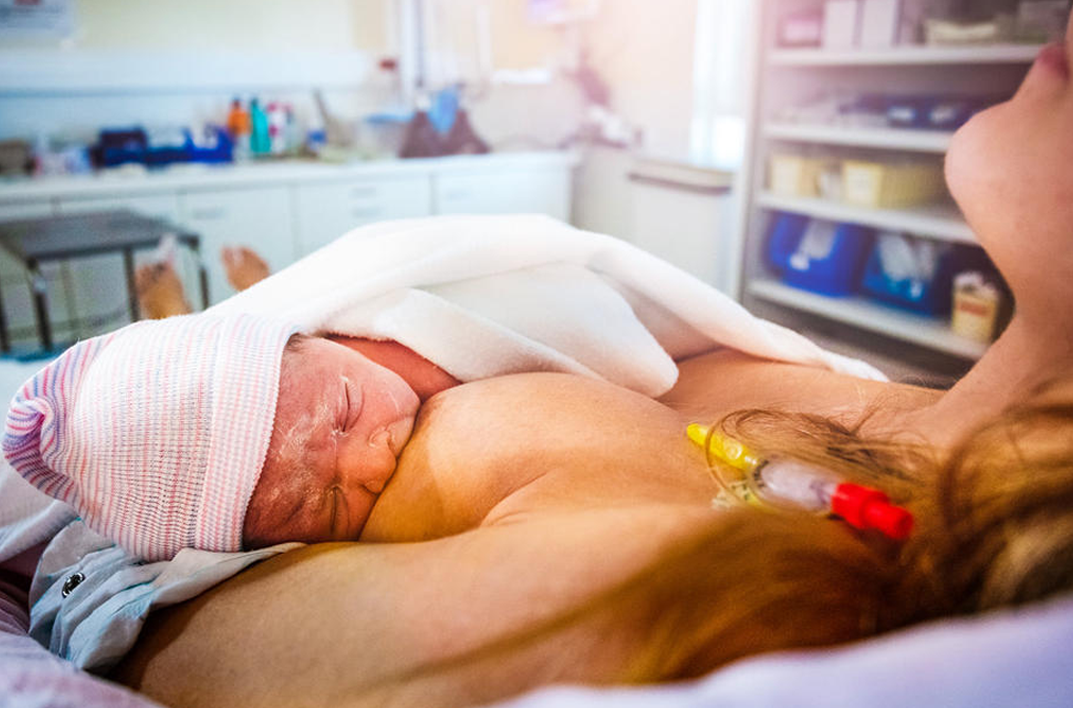
This understanding became the basis of the Three Golden Hours. Robyn did not dismiss the importance of the Golden Hour; she recognised that it had helped focus attention on early skin-to-skin contact and breastfeeding initiation. Her concern was that the phrase could become another institutional target. By protecting closer to three hours, mothers and babies were given a more realistic opportunity to remain together, recover from the birth, observe one another and allow the first breastfeed to unfold without unnecessary interruption. It reflected a principle that underpinned all of her work: healthy physiological transitions require skilled observation, but they also require time.
How the Layers Connect
The different layers of the ...isation Syndrome were closely connected. Medicalisation could lead to intervention. Institutionalisation and policyisation could determine how and when that intervention occurred. Technology-isation could alter the way labour was observed. Midwifery-isation could limit the midwife's capacity to remain beside the woman, while lactation-isation could shape the way breastfeeding was taught and supported. Each layer might appear reasonable in isolation, yet their cumulative effect could be profound.
Why This Matters Now: Birth Trauma in the Public Conversation
The consequences of this cumulative shift are becoming increasingly difficult to ignore. Across Australia and internationally, birth trauma has emerged as a major focus of public, political and professional attention. Parliamentary inquiries, independent reviews and growing consumer advocacy are drawing attention to women's reports of feeling unheard, unsupported, over-intervened upon and excluded from decision-making. Birth trauma is undoubtedly multifactorial, but these conversations invite us to ask whether the progressive layering of systems, interventions and institutional processes around childbirth has unintentionally contributed to experiences that leave many women feeling physically and emotionally harmed. Rather than viewing these concerns as isolated events, Robyn's ...isation Syndrome offers a broader framework through which they may be understood — as the cumulative effect of many small changes occurring over decades rather than the consequence of any single intervention, profession or policy.

From System Failure to Personal Blame
A woman might begin pregnancy with confidence in her body and gradually learn to depend upon measurements, timelines and external authority. Her estimated date might begin to feel like an expiry date. Her labour might be assessed according to a clock. Her baby might be separated for routine procedures or affected by medication and birth intervention. Breastfeeding difficulties arising within that context might then be understood as evidence that her body, nipples, milk or baby were inadequate. What began within the system could ultimately be experienced by the woman as personal failure.
This was one of the deepest concerns within Robyn's work. She did not accept that women were inherently incapable of giving birth or breastfeeding. She believed every woman and baby were unique in their genetics, anatomy, biophysiology, neurology, psychology and emotional experience. There were no rules in her practice that expected all mothers and babies to behave in the same way. She preferred to listen, observe and share information that helped each woman understand her own circumstances and make decisions for herself (Thompson, 2014, 2023).
Women often recognise the ...isation Syndrome before they understand its individual terms. They recognise the feeling of being hurried, managed or spoken about rather than spoken with. They recognise the accumulation of small moments in which their own knowledge became less important. Many have struggled to explain why care delivered by kind and capable professionals could still leave them feeling diminished. Robyn's model offers language for that experience without reducing it to the actions of one person or profession.
Midwives recognise it as well. They understand what it is to want more time with women while working within services governed by staffing shortages, documentation, policies and competing demands. Robyn's model does not place them outside the problem or identify them as its cause. It recognises the pressures that can separate midwives from the relational practice at the centre of their profession. Protecting women and protecting midwifery were, in her view, inseparable.
Robyn's Legacy
In the later years of her career, Robyn wrote of her desire to leave a legacy in which women felt confident in their self-knowledge and maternal instincts as they moved through pregnancy, labour, birth, breastfeeding and early parenting. She wanted to share the experience, knowledge and wisdom that women and babies had given her across more than sixty years of professional life (Thompson, 2023).
The ...isation Syndrome became part of that legacy. It brought together concerns she had been exploring since the earliest years of her practice: the medicalisation of healthy physiology, the increasing influence of institutions and policy, the changing role of the midwife, the effects of intervention and separation, the professionalisation of breastfeeding, and the gradual erosion of women's confidence. By naming the pattern, she gave women and midwives a way to recognise that what they had experienced was neither imagined nor isolated.
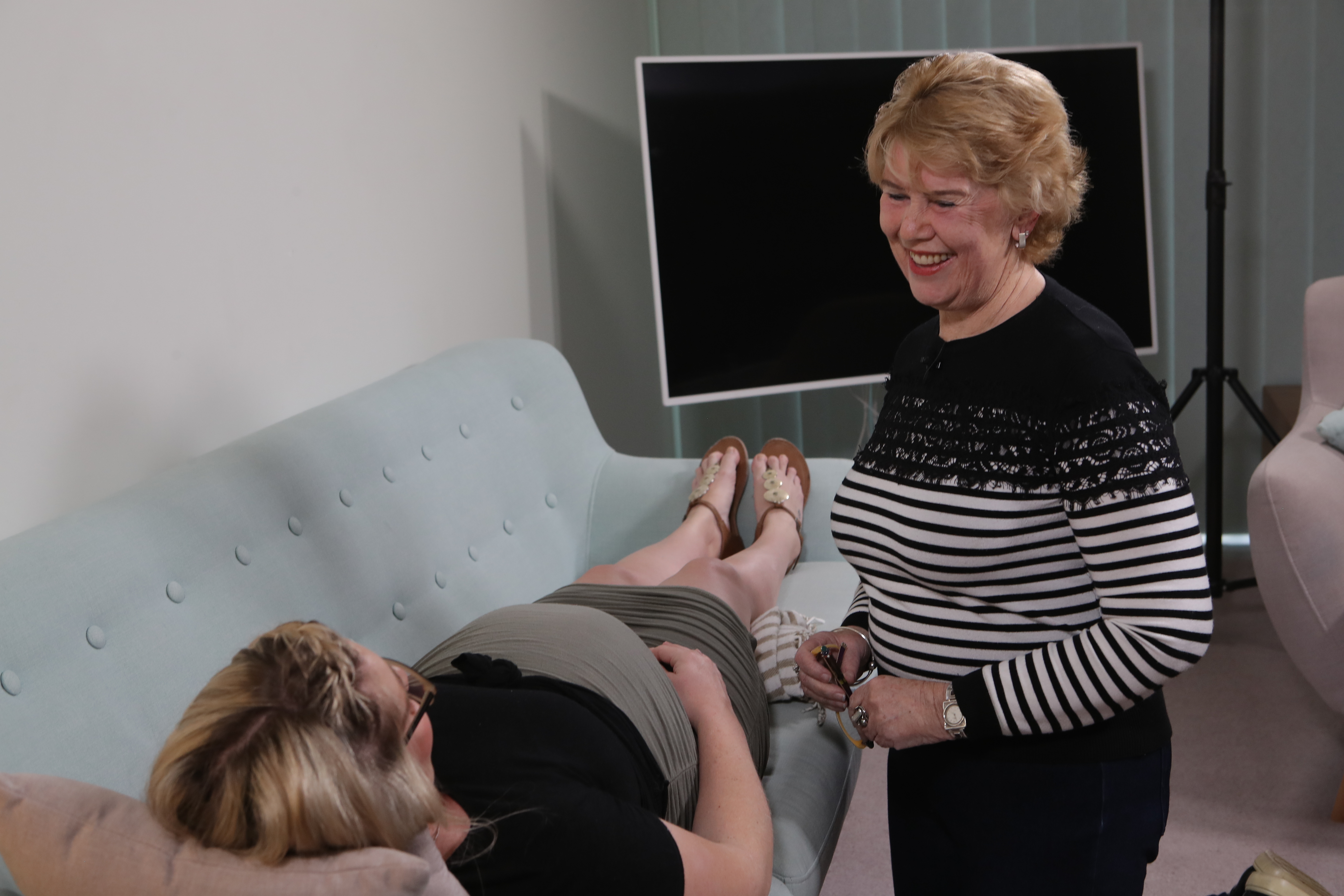
Photo: Dr Robyn asking for consent prior to a palpation session with a pregnant woman
Her work leaves us with an important responsibility. As maternity care continues to evolve, every new policy, technology, procedure and professional practice should be considered not only for what it promises to add, but also for what it may unintentionally take away. The measure of progress cannot rest solely in greater intervention, faster throughput or more complex systems. It must also include whether women feel heard, whether midwives are enabled to remain with them, whether mothers and babies are protected from unnecessary separation, and whether healthy physiology is given a reasonable opportunity to unfold.
Robyn's enduring belief was that a healthy woman's pregnancy, her labour, the birth of her baby and breastfeeding are unique transitions to be achieved in her own good time. The ...isation Syndrome asks us to consider how easily that uniqueness can become obscured by layers of systems and professional control, and how deliberately we must work to keep the woman and her baby visible within them.
Article written by Rachael Austin, Director of Education and Leading Specialist Practitioner at The Thompson Method. Endorsed Midwife, BHealth(Nurs), GradDipMid (CQU), GradDipNurs(Ch&Fam:Karitane)(WSU), IBCLC (IBLCE), Child & Parenting Educator (CAPEA), Cert IV Ldrshp & Mgt, MAClinMidPrac, GradCertHlthProfEd(Monash), Prescribing for Midwives, Student: Bmid(Honours)(Griffith)
Resources for Professionals
If you work with women through pregnancy, birth and breastfeeding, Dr Robyn Thompson's research offers a practical starting point for reflecting on the ...isation Syndrome in your own practice.
Download the free Research Summary white paper a concise overview of the evidence behind The Thompson Method, including the Darebin data and the 13,667 mother–baby pair study referenced above.
Explore the Breastfeeding Academy professional training in The Thompson Method for midwives, nurses, IBCLCs, doulas, hypnobirth practitioners who want to bring this observational, relationship-based approach into their own practice.