The 3 Golden Hours for Health Professionals: Working to the Mother's Rhythm, Not Ours
The first hour is often two to three
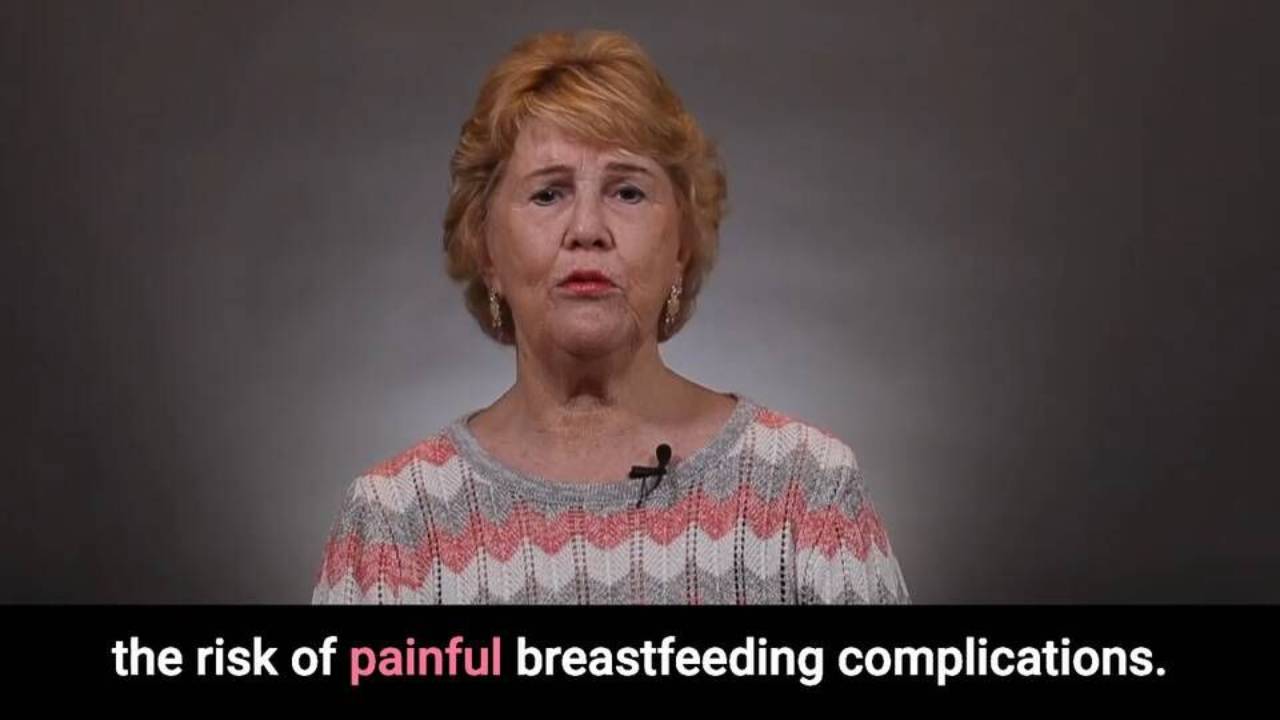
For years, the standard advice has been to protect the first hour after birth. Dr Robyn Thompson noticed something different across 25 years of home birth practice: the first hour was more often two to three hours, depending on the individual mother, the individual baby and the circumstances. That observation is where the idea of the 3 Golden Hours began. In this video she explains why those hours matter, and what practitioners can do, wherever a woman gives birth, to protect them.
The main points, in Dr Robyn's words
Why the three hours matter
- Dr Robyn's first point is that the baby belongs to the mother. A healthy mother and a healthy baby should be together from the moment of birth, as with any other mammal.
- She asks practitioners not to rush or hurry. The role is to be beside the mother, with her, and observe what she and her baby do together. It may take time.
- She encourages professionals to think about how they can help women avoid unnecessary induction, wherever they work and wherever a woman chooses to give birth.
How accelerating labour can affect the beginning of breastfeeding
- Under normal circumstances, a mother and baby work together to progress labour. Dr Robyn describes that rhythm as displaced when labour is accelerated.
- She advises staying away from rupturing membranes, inserting catheters or balloons, and inserting anything or fingers into the vagina where possible, and letting the mother work to her own rhythm. She asks practitioners to speak gently and softly and not to stand over the mother.
- She explains that the mother already produces her own oxytocin to contract and retract the uterus. Adding synthetic oxytocin through an intravenous drip can lead to contractions the mother finds hard to cope with, and the pathway then commonly leads to pain relief, often an epidural. Her concern is that practitioners end up leading the pathway when they should be following the mother.
- She describes the intact membranes as buffering the baby as it descends. When they are ruptured, the hydraulic pressure changes, the uterine wall touches the baby, the pain level rises, and there is more pressure to use opioids.
- She does not say these steps are never needed. If the baby shows signs of distress, practitioners work with that. Her aim is to reduce them as far as possible and watch the healthy mother and healthy baby do what they do well together.
Wondering how your current practice supports the first three hours? Take the free 5-minute assessment. Choose your pathway and start here.
What she sees in the baby afterwards
- Opioids in the mother's bloodstream can reach the baby. Dr Robyn reports seeing sleepy babies all the time, babies who cannot coordinate their oral cavity or their muscles in the way a baby without opioid exposure can.
- She asks why women are induced before the baby's gestational age has been reached. Gestational age typically falls between 38 and 42 weeks, often runs in families, and a maturing baby finds it easier to work with the mother in labour and birth.
- She acknowledges that urgency and emergency change things, and that the senior medical practitioner makes decisions in the institution.
What practitioners can offer instead
- Sterile water injections at the appropriate time, which she says the research shows to be very effective as an alternative to opioids.
- Deep, warm water. She says buoyancy changes how nerve-ending pain is felt, and that you can see the mother's facial expression change once she is immersed. In the water she can move freely and is not surrounded by people. Kneel beside the pool and talk with her, rather than standing over her.
- Quiet spaces: sitting on the toilet for a while, or a quiet corner with dimmed lights. As Dr Robyn puts it, it is her space and her birth. If we stay in tune with that, we are doing our professional work to the utmost.
- No telling the mother when to push. Dr Robyn asks practitioners to consider the mother's rhythm, not their own.
Induction in context
Dr Robyn's concern about unnecessary induction reflects a trend in national data. In Australia, 46.8 percent of selected first-time mothers had their labour induced in 2019, up from 31.0 percent in 2004 (Australian Institute of Health and Welfare, National Core Maternity Indicators; selected first-time mothers are aged 20 to 34 with a singleton baby at 37 to 41 weeks, head down). In the United States, 34.5 percent of singleton births were induced in 2024, up from 24.9 percent in 2016 (CDC National Center for Health Statistics).
What the research says
Dr Robyn's in-home breastfeeding service study looked at 653 maternal and infant records from Melbourne. It found that engorgement was associated with the first postpartum breastfeed lasting less than one hour (adjusted odds ratio 2.01, 95 percent confidence interval 1.07 to 3.79). That sits alongside her clinical observation that the first breastfeed often needs longer than the hour practitioners are told to expect.
Thompson R, Kruske S, Barclay L, Linden K, Gao Y, Kildea S. Potential predictors of nipple trauma from an in-home breastfeeding programme: a cross-sectional study. Women and Birth. 2016;29:336 to 344.
Where to go next
If you have not watched it yet, start with the overview of the Thompson Method for health professionals, then see how the Breastfeeding Academy teaches the full approach.
Watch the Thompson Method overview
See how the Academy teaches this
Sources: Australian Institute of Health and Welfare, National Core Maternity Indicators, Induction of labour (aihw.gov.au). CDC National Center for Health Statistics, Data Brief 554, Induction of labor increases in the United States (cdc.gov/nchs/products/databriefs/db554.htm).