The Thompson Method Explained: Key Differences in the First 72 Hours
Why this matters in your practice
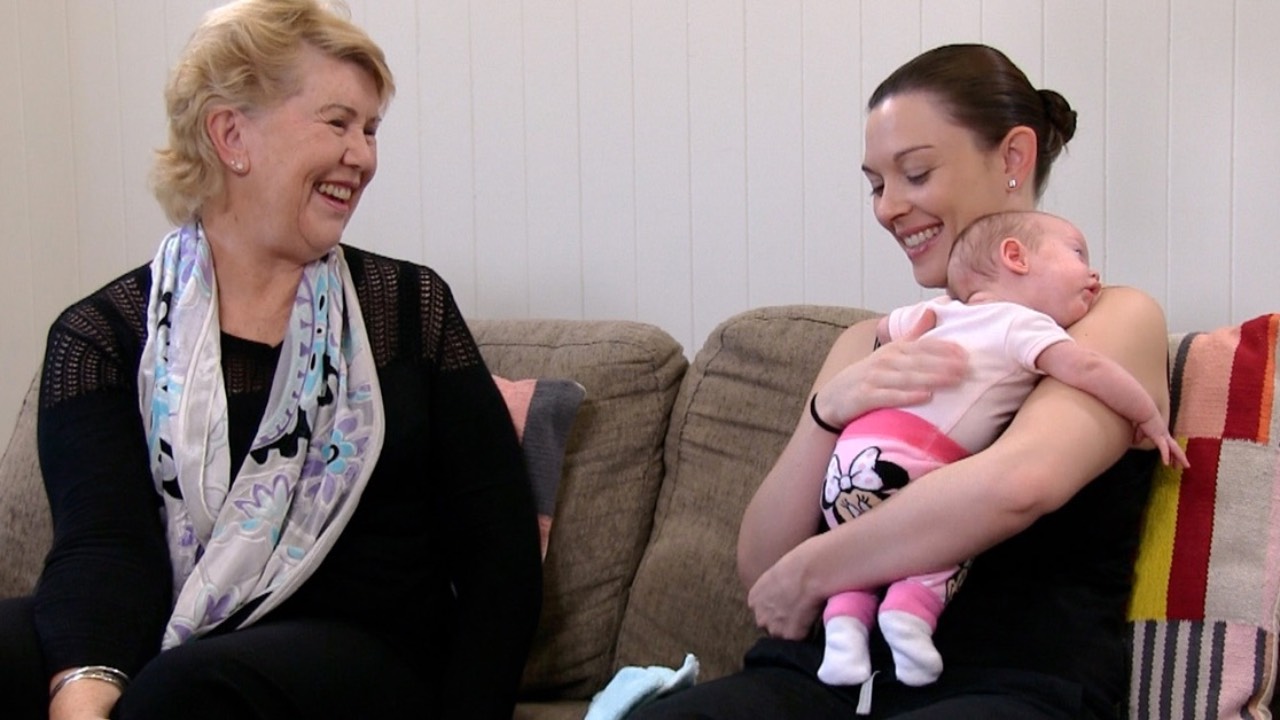
If you support women in pregnancy and/or mothers and newborns in the first days after birth, you may already know how much rides on the first breastfeed and the first 72 hours. Dr Robyn Thompson spent more than 50 years watching what happens when those days go well, and what happens when they do not. In this five-minute overview, she explains the main points of difference in the Thompson Method, for midwives, IBCLCs, doulas and childbirth educators - the front line healthcare professionals for mothers and babies.
The main points, in Dr Robyn's words
Dr Robyn is a midwife and registered nurse with a Bachelor of Applied Science and a PhD, and the founder of the Thompson Method. Her stated aim is to reduce the risk of painful breastfeeding complications while increasing breastfeeding rates for mothers and babies. She also notes that some mothers will have specific circumstances that call for further discussion.
Before the birth
- She prefers that a mother's instincts and self-knowledge are supported, with unnecessary interventions avoided in pregnancy, labour and birth.
- She points to research showing that unnecessary interventions such as induction of labour increase the risk of further interventions, a cascade that raises the caesarean rate.
- She encourages women to be informed about pain relief options. Regional anaesthetics commonly include opioids, and opioids may make a breastfeeding baby very sleepy. In her PhD research, sleepy baby syndrome is commonly observed alongside delays or interruptions to the first and early breastfeeds.
At the birth
- She asks practitioners to do their best to avoid routine procedures that interrupt the mother and baby connection. Rubbing or wrapping the baby, non-urgent painful injections, weighing and measuring can wait. The experienced midwife acknowledges that this can be challenging within the constraints of hospital policies - but it is possible, and necessary.
- For a baby who is not sleepy, the first breastfeed may take one to three hours after birth, until the baby is nurtured and instinctively satisfied by the mother's colostrum. Some babies take up to an hour to show interest.
- During that time the newborn uses touch, taste and smell to find the breast, and gross motor skills, including the crawling and walking reflex, to move towards it.
Curious how your own practice compares? Take the free 5-minute assessment. Choose your pathway and start here.
Consent and the cross-cradle technique
- Maternal consent comes before touching the mother, her breasts or her newborn, and the baby is handled as little as necessary.
- The Thompson Method avoids forceful practices with mother and baby. Dr Robyn is most emphatic about avoiding the cross-cradle technique, where the practitioner holds the mother's breast and directs the nipple to the baby's nose.
- In her PhD research, this practice was statistically significant in relation to an increased risk of nipple trauma. When a baby is forced to the breast, the cranio-cervical spine is restricted and the baby cannot coordinate the oral cavity to draw the nipple and enough breast tissue.
- Most healthy mothers and healthy newborns are capable of instinctive breastfeeding. If the mother asks for help, or there is a genuine reason to assist, she encourages a gentle, calm approach.
The first 72 to 96 hours
- While milk production is establishing, she advises against offering a dummy or pacifier, a nipple shield, infant formula or, in some cases, glucose water.
- She also advises against tight swaddling, because hands and fingers to the mouth are an instinctive survival skill.
- After the first breastfeed the baby may sleep for a period, then wake and feed frequently from both breasts until the mother's milk volume peaks at around 72 to 96 hours. The midwife's role is to observe the mother and baby carefully.
What the research says
The finding about the cross-cradle technique comes from a peer-reviewed study of 653 maternal and infant records from an in-home breastfeeding service in Melbourne. Nipple trauma was the most common presenting complication, at 62.9 percent. Among the four statistically significant predictors, the cross-cradle technique was associated with nipple trauma (adjusted odds ratio 1.90, 95 percent confidence interval 1.03 to 3.50). The authors recommend changes to first and early breastfeeding techniques.
Thompson R, Kruske S, Barclay L, Linden K, Gao Y, Kildea S. Potential predictors of nipple trauma from an in-home breastfeeding programme: a cross-sectional study. Women and Birth. 2016;29:336 to 344.
A note on the system you work in
Dr Robyn is realistic about hospital policy. It can put professional colleagues under pressure to move a mother and baby through quickly. Her encouragement is to be responsible and accountable, as is expected of the reasonable midwife who provides a duty of care that supports and respects a mother and her newborn.
Learn the method, in depth
This video covers the highlights. The Breastfeeding Academy teaches the full method, with practical skills you can use with your next client.